
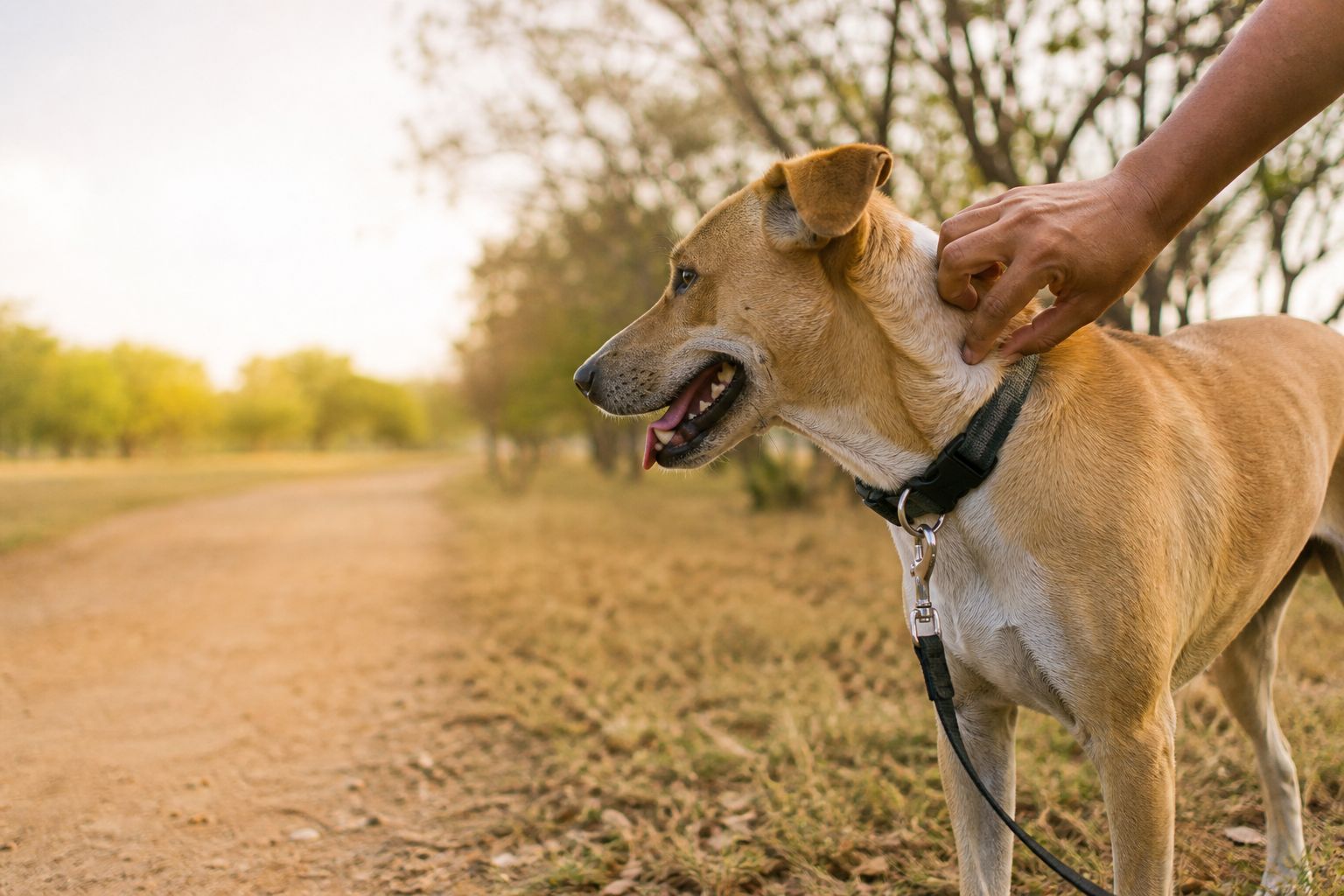
Indore’s climate and outdoor lifestyle make ticks a year-round concern for many dog families—not only a monsoon headline. Gardens, society lawns, roadside grass, and even short balcony time can expose pets. “Tick fever” is the phrase many owners use when a dog becomes dull and feverish after tick exposure. Whatever name you use, the useful response is the same: consistent prevention, careful checks after walks, early recognition of illness, and prompt veterinary care.
This guide from Happy Tails Pet Clinic in Navlakha focuses on practical habits. It does not invent local disease rates or promise that any single product makes risk zero. Prevention reduces risk; awareness shortens the path to help when something feels wrong.
Why ticks matter for Indore dogs
Ticks are more than an itchy nuisance. They can transmit infections and cause irritation, anaemia in heavy infestations, and secondary skin damage from scratching. Dogs that walk daily, visit parks, travel to peripheral areas, or live near vegetation often need structured prevention rather than occasional panic baths after a visible tick.
Warm weather and humid spells can favour tick activity, but waiting for the “bad season” alone leaves gaps. Many households do best with a prevention plan discussed once, then followed through the year with seasonal tweaks.
Prevention first: make coverage continuous
The most common failure in tick control is inconsistency—remembering a product late, stopping after winter, or mixing leftover tubes of unknown strength. Choose a veterinarian-recommended method and put reminders in your phone.
Questions to ask at the clinic
- Which preventive suits my dog’s age and weight?
- How soon after a bath can I apply a spot-on, if relevant?
- What should I do if my dog vomits an oral preventive?
- How do I protect other pets and children in the home around certain products?
- When should we recheck if I still find live ticks despite correct use?
Never use concentrated farm products, unlabelled street powders, or dog products on cats (and vice versa) without guidance. Toxicity from the wrong parasite product is a preventable crisis.
Environmental habits that help
- Keep lawn edges trimmed where your dog toilets
- Wash bedding regularly during active tick periods
- Check your own clothing after walks in grassy belts
- Avoid letting dogs roll in heavy undergrowth when possible
- Discuss home infestation strategies with your vet if you keep finding ticks indoors
Prevention on the pet works best when the surroundings are not constantly re-seeding ticks onto the coat.
Post-walk tick checks: a five-minute habit
Make a gentle full-body check part of returning home—especially after park time or monsoon walks. Ticks prefer warmer, hidden sites.
High-yield places to examine
- Ear edges and inside the ear flaps
- Neck collar line and under the chin
- Armpits and groin
- Eyelids and facial folds
- Tail base
- Between toes and around paw pads
Run your fingers against the coat rather than only looking. Small ticks are easy to miss on dense fur.
If you find a tick
Stay calm. Use fine-tipped tweezers or a tick-removal tool to grasp close to the skin and pull upward steadily without twisting violently or crushing the body. Clean the area afterward and wash your hands. Avoid folk methods that leave mouthparts behind or squeeze contents into the skin.
Place the tick in a small sealed container if your veterinarian asks to see it. Then note the date—monitoring afterward matters.
If you are unsure about removal technique, message the clinic for guidance rather than experimenting with oils and flames.
Early symptoms owners should take seriously
Tick-borne illness does not always announce itself with a dramatic single moment. Watch for clusters of change:
- Feverish warmth with marked dullness
- Loss of appetite or sudden disinterest in walks
- Reluctance to rise, stiffness, or shifting leg pain
- Pale gums
- Unusual bruising, nosebleeds, or bloody urine/stool
- Swollen lymph nodes under the jaw or behind knees (your vet will confirm)
- Laboured breathing or collapse
One quiet afternoon of sleep after a long walk is not automatically disease. A dog that stays flat, skips meals, or looks “not themselves” for a day—especially with known tick exposure—deserves a call.
Do not start leftover antibiotics from a previous illness. Wrong medicines waste time and can complicate testing.
What to expect at a veterinary visit
Bring a clear history: when ticks were seen, which preventives you use, travel outside the city, other pets affected, and the timeline of symptoms. A pet checkup may include a physical exam and tests your veterinarian judges necessary based on findings—not a fixed package for every dog.
Treatment plans vary with the infection suspected or confirmed, organ involvement, and how sick the dog is. Some dogs need outpatient care; others need closer monitoring. Ask what improvement should look like in the first days and which warning signs mean a same-day return.
When not to wait overnight
Contact Happy Tails the same day if your dog shows:
- Collapse or inability to stand
- Severe weakness with white or grey gums
- Laboured breathing or continuous coughing with distress
- Uncontrolled bleeding
- Persistent vomiting with extreme lethargy
- Seizures
WhatsApp 9244089800 to share age, weight if known, preventive products used, and a short description of what you are seeing.
Monsoon and summer: stack risks thoughtfully
Indore monsoons bring humidity, longer grass, and more time wiping paws—see our monsoon pet care tips. Summer adds heat stress on top of outdoor exposure; pair tick checks with smart walk timing from our summer heat safety guide. Tired, overheated dogs are harder to read, so prevention and cooling habits should travel together.
Multi-dog homes and community living
If one dog carries ticks, check all pets. Shared bedding and simultaneous walks spread exposure. Society gardeners and stray dogs near compounds are part of the local reality—teach children not to handle ticks with bare fingers and to tell an adult when they see one on a pet.
Boarding and grooming visits are another moment to confirm your preventive is up to date. Ask facilities about their parasite control practices, but remember your own schedule remains your responsibility.
Myths that delay care
“I only saw one tick, so illness is impossible.”
Even brief attachment can matter for some infections, and you may have missed other ticks. Focus on monitoring and prevention rather than false reassurance.
“A garlic home recipe will protect my dog.”
Garlic and many kitchen remedies are unsafe or ineffective as tick control. Use veterinary products designed for dogs.
“Bathing alone is enough.”
A bath may remove some visible ticks but does not replace month-long preventive strategies your clinician recommends.
“If appetite returns for one meal, we can ignore yesterday’s fever.”
Improvement can be temporary. If your vet asked for recheck or tests, keep the plan.
Supporting recovery and follow-up
After a tick-related illness, follow medicine schedules exactly and attend rechecks. Ask whether activity should be limited, whether special nutrition is needed short-term, and when preventives restart. Keep other pets’ prevention current during this period.
Record keeping helps: product names, application dates, and symptom diaries make the next consult faster.
How Happy Tails helps Indore dog parents
At Happy Tails Pet Clinic near Navlakha Square / Navlakha, Dr. Rashmi Khandelwal helps families choose prevention they can actually maintain, interpret early symptoms, and act quickly when dogs look systemically unwell. A short consultation is often enough to clean up a confusing mix of leftover spot-ons and guesswork schedules.
We would rather hear from you on a quiet worry day than meet a dog who has been struggling at home for a week.
Soft next step for tick season—and every season
If your dog’s tick prevention has lapsed, or you keep finding ticks despite effort, message Happy Tails on WhatsApp at 9244089800. Bring the product you currently use (or a photo of the label) to your visit. For directions and hours, see our contact page.
Steady prevention, thorough post-walk checks, and early clinic contact are the most reliable tools Indore dog parents have. You do not need perfect knowledge of every tick-borne disease name—you need a plan you can follow and a veterinary partner when your dog’s energy suddenly changes.
A simple weekly prevention routine
Busy households keep tick control going when it becomes ordinary, not heroic. Try this light routine:
- Pick one evening each month (or per product label) for preventive application or tablet day—set a recurring phone reminder
- After every grassy walk, do a two-to-five-minute coat check focusing on ears, armpits, groin, and toes
- Once a week, wash or sun bedding and shake out the favourite blanket
- Once a month, glance at the calendar: when was the last dose, and when is the next?
- Any dull day with feverish warmth, call before starting leftover medicines
Share the routine with everyone who walks the dog. Prevention fails quietly when only one person knows the schedule and then travels for a week.
If you are starting fresh after a long gap, a consultation can reset product choice, timing, and what to watch for in your dog’s age group—puppies, adults, and seniors need slightly different conversations.
Frequently asked questions
What do people mean by “tick fever” in dogs?
Pet parents often use “tick fever” for illnesses spread by ticks that can cause fever, lethargy, appetite loss, and other signs. Several tick-borne infections exist; only a veterinarian can assess and test appropriately—do not self-diagnose from social media lists.
If I remove a tick quickly, is my dog safe?
Prompt removal is helpful, but it does not guarantee a dog will stay well. Continue prevention, monitor for illness in the following days and weeks, and contact your vet if fever, dullness, or unusual bleeding appears.
Are tick collars, spot-ons, or oral preventives best?
The best product is one that fits your dog’s age, weight, health, and your household’s ability to use it correctly. Gaps in coverage matter more than brand debates. Ask Happy Tails which option suits your dog.
Can indoor dogs get ticks in Indore?
Yes. Ticks can hitchhike on clothing, other pets, or brief courtyard and balcony exposure. Indoor lifestyle lowers risk for some dogs but does not eliminate it—especially in multi-pet or ground-floor homes.
When should I seek same-day care for tick-related illness?
Book promptly for collapse, laboured breathing, pale or white gums, unusual bleeding, black stools, seizures, or a dog that will not rise.
Related reading & services
Concerned about your pet?
Our team at Happy Tails is ready to help with a calm consultation and a clear next step.