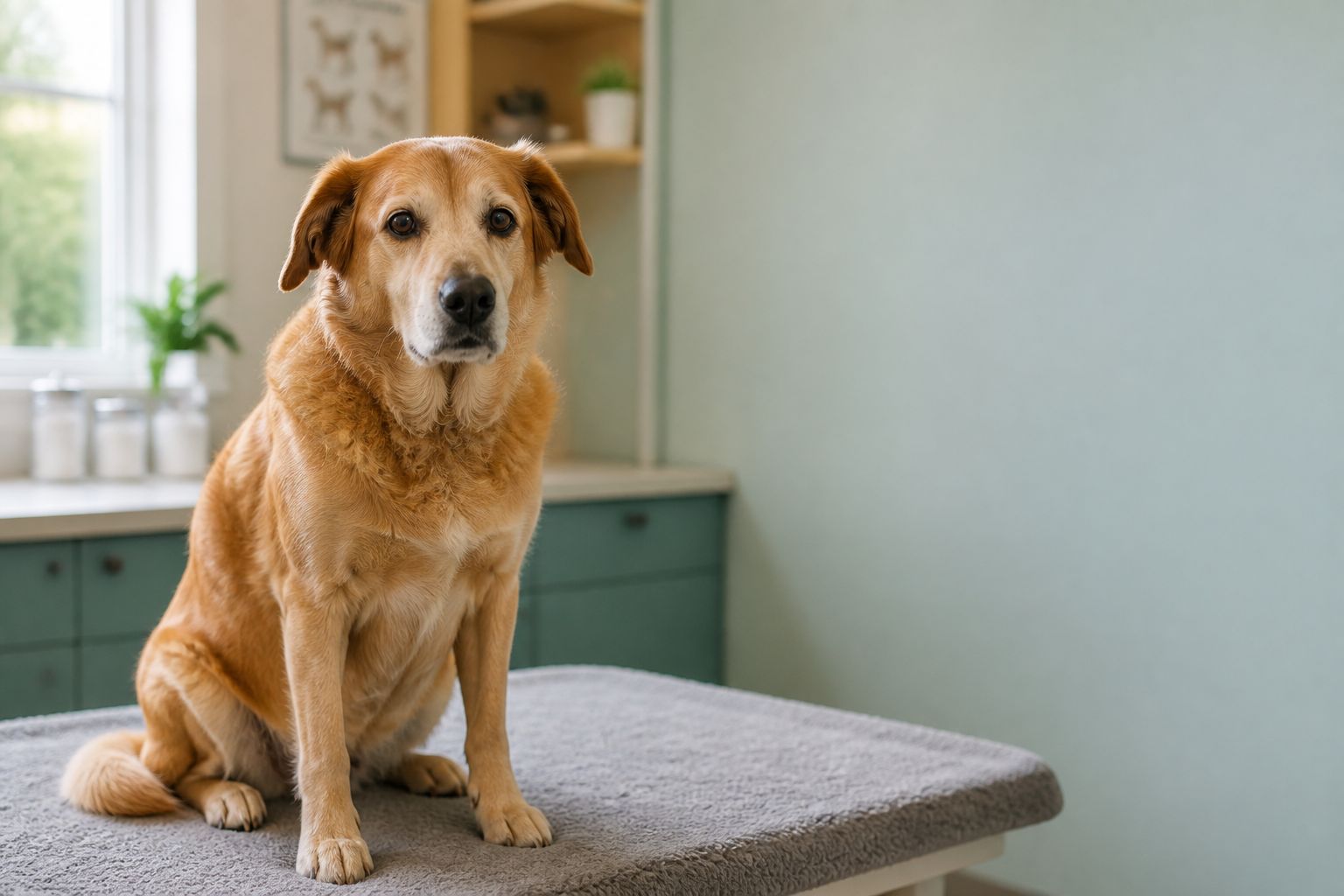
Dogs are loyal, expressive, and — inconveniently — excellent at hiding pain. Many Indore pet parents wait for a dramatic symptom before calling the clinic, then feel guilty when a quieter change turns out to have started days earlier. Learning when to take dog to vet care is less about memorising rare diseases and more about noticing patterns: appetite, energy, digestion, movement, and skin or mouth comfort.
This guide walks through five common warning signs in depth, explains when a problem is urgent, and adds Indore-specific context for Navlakha, Navlakha, and nearby neighbourhoods. It is not a substitute for an in-person exam. If you are unsure, a short consult is almost always kinder than waiting.
Why early vet visits matter more than “waiting it out”
Healthy dogs still have off days. One quiet evening after a long walk near Navlakha Square is not automatically a crisis. The risk is pattern blindness: you adjust to a slightly slower pet, a picky eater, or mild limping until the change feels “normal.”
Early veterinary care helps because:
- Soft-tissue injuries respond better before compensation creates a second problem.
- Gastrointestinal issues can dehydrate a dog quickly in Indore’s summer heat.
- Skin and ear infections worsen in humid monsoon months if left untreated.
- Pain behaviours are easy to misread as stubbornness or ageing.
At Happy Tails Pet Clinic, Dr. Rashmi Khandelwal often sees cases where a same-week visit would have been simpler than a crisis visit. You do not need a perfect diagnosis before you book — you need a clear description of what changed.
Sign 1: Appetite or water intake that suddenly changes
Appetite is one of the most reliable daily health signals. Dogs that usually finish meals and then refuse food for more than a day deserve attention, especially if they also skip water, hide, or seem nauseous.
What “normal variation” looks like
Slight appetite dips can follow:
- A rich treat or table scrap the night before
- Very hot afternoon weather when dogs prefer rest
- Mild stress after guests, travel, or a boarding stay
- Recent vaccination (usually brief and mild)
What needs a vet visit
Book a visit when you notice:
- No interest in food for more than 24 hours
- Refusal of water, or frantic thirst with frequent urination
- Eating then immediately vomiting
- Drooling, pawing at the mouth, or chewing on one side only
- Weight loss you can feel along the ribs or spine
Dental pain, foreign bodies, kidney issues, infections, and metabolic disease can all look like “he just doesn’t feel like eating.” Ask your vet to explain what exams or tests make sense for your dog’s age and history rather than guessing from internet checklists.
Indore tip
In peak summer, confirm that water bowls stay cool and shaded. Some dogs drink less when water is warm, then look “off” by evening. Still treat true anorexia seriously — heat does not cancel medical causes.
Sign 2: Unusual lethargy, withdrawal, or behaviour change
Energy level is relative. A senior Labrador on a quiet Sunday is different from a young Indie who suddenly ignores the gate, toys, and evening walk route.
Subtle behaviour shifts owners miss
- Sleeping in unusual places or isolating in another room
- Less greeting at the door
- Reluctance to climb stairs or jump into the car
- Irritability when touched on the back, belly, or ears
- Restlessness at night — pacing, panting, inability to settle
Pain, fever, anaemia, and early tick-related illness can present as “just tired.” Behaviour change without a clear social reason is medical until a vet helps you rule things out.
When lethargy is urgent
Seek prompt care if lethargy comes with:
- Pale or white gums
- Collapse or inability to stand
- Laboured breathing
- Distended or hard abdomen
- Persistent vomiting
For same-day concerns, WhatsApp or call Happy Tails on 9244089800 with a short description — especially if you are travelling from Navlakha or nearby areas.
Sign 3: Persistent vomiting, diarrhoea, or stool changes
Occasional soft stool after a diet indiscretion is common. Repeated vomiting, bloody stool, black tarry stool, or diarrhoea lasting more than a day — especially in puppies — needs professional care.
Track useful details before you call
Write down:
- When symptoms started
- How many episodes in 24 hours
- Colour and consistency (photo if helpful)
- Any known scavenging, new food, or toxin exposure
- Vaccination status and recent deworming
This information shortens the consult and helps triage urgency.
Home care is not the first step for severe cases
Do not give human anti-diarrhoeal medicines. Do not force large volumes of water or milk. Small, frequent water access may be advised for mild cases — but ask your vet what is safe for *your* dog, especially if vomiting is frequent.
Puppies, seniors, brachycephalic breeds, and dogs with known medical conditions dehydrate faster. Indore heat amplifies that risk.
Sign 4: Limping, stiffness, or difficulty rising
Limping is a communication tool. Dogs rarely limp “for attention.” They limp because something hurts or does not function normally.
Common owner delays
Many families wait because:
- The limp comes and goes
- The dog still wags and eats
- Rest seemed to help yesterday
- They assume it is “just monsoon damp” or “old age”
Intermittent limping still deserves assessment. Early arthritis management, nail problems, paw pad injuries from hot pavement, and soft-tissue strains are all easier when caught early.
Red flags for mobility problems
- Non-weight-bearing lameness
- Sudden yelping with collapse of a limb
- Visible swelling or heat in a joint
- Dragging paws or knuckling
- Paralysis or profound weakness in the hind limbs
Until examined, restrict jumping and rough play. Avoid massage “cures” or human painkillers — some human medicines are dangerous for dogs. Your veterinarian will guide safe pain relief after an exam.
Pavement and season context in Indore
Summer asphalt can burn pads; monsoon wet walks can hide thorns, glass, and fungal irritation between toes. Check paws after walks, but do not stop at home inspection if limping continues.
Sign 5: Excessive scratching, licking, odour, or bad breath
Skin, ear, and dental issues are among the most frequent reasons dogs visit clinics — and among the easiest to postpone because the dog “still seems fine.”
Skin and coat clues
Watch for:
- Constant scratching or nibbling at paws
- Redness, scabs, or hair loss patches
- Greasy coat or strong body odour
- Scooting or anal irritation
- Hot spots that enlarge quickly in humid weather
Monsoon humidity around Indore often worsens yeast and bacterial skin flares. Ticks and fleas also thrive in warm wet seasons. A proper exam distinguishes allergy, infection, and parasites so treatment matches the cause.
Ears and dental health
Head shaking, ear smell, and dark discharge are classic ear infection signs — especially in floppy-eared dogs after rainy walks. Bad breath is not “normal dog smell” when it is strong, sudden, or paired with drooling and tartar. Dental disease affects appetite, behaviour, and overall comfort.
If scratching is severe, use an Elizabethan collar if advised and book care rather than cycling through random shampoos.
Beyond the big five: other signs that still count
The classic five cover most everyday cases, but also take seriously:
- Coughing, gagging, or exercise intolerance
- Straining to urinate or blood in urine
- Sudden blindness signs or bumping into furniture
- Seizures or fainting episodes
- Unexplained bleeding or non-healing wounds
Any rapid decline — hours, not days — deserves a prompt veterinary check.
When is it urgent versus “book this week”?
Seek same-day veterinary attention for
- Difficulty breathing or blue-tinged gums
- Uncontrolled bleeding
- Suspected poisoning (chocolate, pesticides, human medicines, unknown chemicals)
- Bloat signs: restless retching, swollen abdomen, distress
- Seizures, especially clustered or prolonged
- Trauma from road accidents or high falls
- Heatstroke signs after hot-weather walks or car travel
Book a prompt consult (same day or next available) for
- Appetite loss beyond a day
- Repeated vomiting or diarrhoea
- New or worsening limp
- Feverish feel, shivering, or marked lethargy
- Ear odour with pain on touching the ear flap
- Skin infections spreading despite home hygiene
If you are torn between “watch overnight” and “go now,” choose contact. A quick WhatsApp description with a photo often clarifies next steps.
How Indore life shapes what you notice
Living near Navlakha or Navlakha means your dog’s week may include apartment corridors, busy road edges, park play, and seasonal weather swings.
- Summer: Walk earlier or later; watch for excessive panting and reluctance to move on hot surfaces.
- Monsoon: Dry ears and paws after walks; avoid stagnant water; stay current on tick prevention.
- Festive traffic and crackers: Anxiety can reduce appetite temporarily — but prolonged refusal still needs review.
- Street food culture: Dropped scraps are tempting and a common trigger for stomach upset.
Local rhythm matters, but biology still wins: dehydration, infection, and pain do not wait for a convenient weekend.
What a good first visit looks like
A thoughtful consult usually includes:
- History: timeline, diet, travel, medicines, previous illnesses
- Hands-on exam: gums, lymph nodes, abdomen, skin, ears, joints
- Clear plan: what is likely, what must be ruled out, what to monitor at home
- Follow-up timing: when to return if symptoms persist
Bring records if you have them. If your dog is due for vaccines or a wellness exam, combining concerns into one visit can be efficient — see our vaccination and checkup pages for how preventive care fits alongside sick visits.
Practical home monitoring while you arrange care
Until your appointment:
- Keep your dog calm and cool
- Note toilet habits and any blood
- Offer water in small amounts if not vomiting continuously (confirm with the clinic if unsure)
- Avoid new treats, bones, or leftover food
- Do not administer leftover medicines from a previous illness unless the vet confirms they are appropriate now
Monitoring is not the same as delaying. Use notes to make the appointment more effective.
A calm conclusion for Indore dog parents
You know your dog’s baseline better than any article. Trust changes that feel wrong — quieter greetings, unfinished meals, a hitch in the gait, endless licking, or a foul ear smell. Those five signs cover a large share of real clinic visits because they reflect how dogs show internal discomfort externally.
If you notice one or more of these patterns, schedule a consultation at Happy Tails Pet Clinic near Navlakha Square, Navlakha. Dr. Rashmi Khandelwal and the team can examine your dog, explain findings in plain language, and guide next steps without pressure.
Soft next step: WhatsApp or call 9244089800, or email happytailspetclinic6@gmail.com, with a short symptom summary. Early care protects comfort — and often keeps small problems from becoming harder ones.
Frequently asked questions
How long can a dog go without eating before seeing a vet?
Skipping one meal can be normal. If your dog refuses food for more than 24 hours — or sooner with vomiting, diarrhoea, or extreme tiredness — book a veterinary check the same day.
Is limping always serious for dogs?
Not always, but limping that lasts beyond a short rest, worsens, or comes with swelling, crying, or refusal to bear weight needs a vet visit. Do not wait for it to “settle on its own” for days.
Which dog symptoms need a same-day vet visit?
Book promptly for collapse, trouble breathing, uncontrolled bleeding, seizures, bloated hard abdomen, suspected poisoning, or inability to stand.
Can Indore heat or monsoon make dog symptoms worse?
Yes. Summer heat can worsen dehydration and panting problems, while monsoon humidity often flares ear and skin issues. Seasonal context helps, but sudden or severe signs still need a professional exam.
What should I bring to a dog vet visit at Happy Tails?
Bring recent food details, vaccination and deworming records if available, a list of medicines or supplements, and a short note of when symptoms started. Photos of stool or vomit can also help.
Related reading & services
Concerned about your pet?
Our team at Happy Tails is ready to help with a calm consultation and a clear next step.