Nutrition Guidance
Feeding plans with clinical intent
Happy Tails Pet Clinic · Indore
Food is medicine for many pet conditions — from obesity and allergies to kidney disease and sensitive stomachs. Good nutrition also supports shiny coats, steady energy, and healthier ageing.
Dr. Rashmi Khandelwal helps Indore pet parents cut through marketing noise. We look at current food, treats, body condition, and medical history before recommending practical changes you can actually maintain.
Whether you feed commercial diets, home-cooked meals (under guidance), or need a transition plan, we focus on safety, balance, and results you can measure.
Crash diets and sudden food swaps often backfire. We pace transitions, set weigh-in checkpoints, and adjust when life (or picky appetites) get in the way.
Ideal for
- Overweight or underweight pets
- Puppy & kitten growth feeding
- Senior diet transitions
- Food sensitivity concerns
- Medical diet support needs
Why pet parents choose this care
Goal-based plans
Weight, digestion, skin, or energy — we define success clearly.
Practical food choices
Recommendations you can find and afford locally.
Safe transitions
Gradual switches that reduce tummy upset risk.
Treats included
We account for biscuits and table scraps in the real plan.
Nutrition counselling flow
Step 1
Assess
Body condition, current diet, treats, and medical notes.
Step 2
Set goals
Weight targets, stool quality, coat, or disease support.
Step 3
Recommend
Food type, portions, and feeding frequency.
Step 4
Follow through
Transition plan and check-in points.
Where nutrition guidance helps most
Common goals pet parents bring to Happy Tails nutrition visits (illustrative mix).
- 90%
Healthy weight loss
Portion + treat control
- 78%
Puppy growth feeding
Avoid over/under feeding
- 74%
Sensitive digestion
Gentle transitions matter
- 68%
Senior support
Joints, kidneys, appetite
- 60%
Skin & coat support
Diet is one piece of care
What to expect
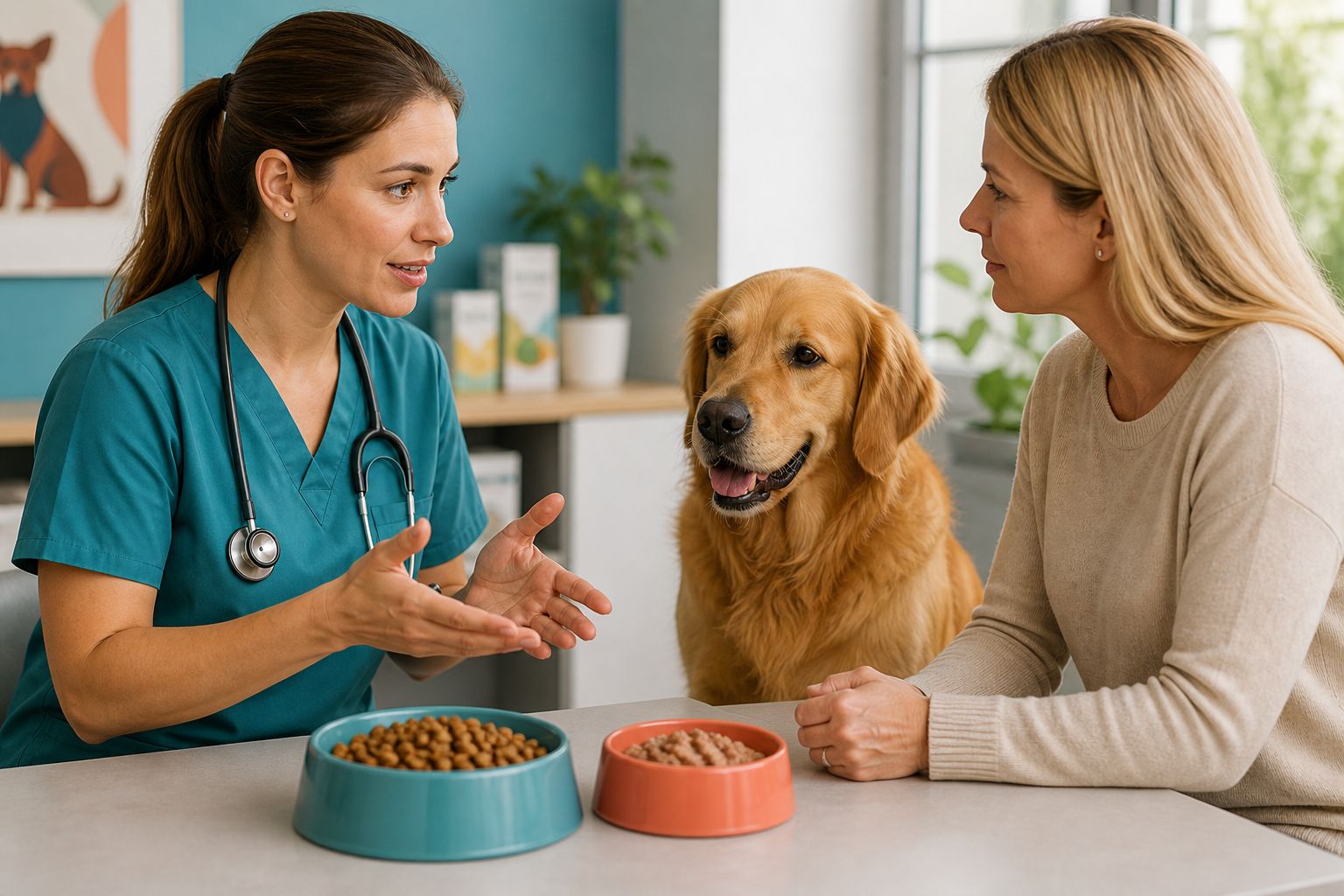
- Body condition and diet review
- Goal setting (weight, digestion, skin, energy)
- Food and feeding-frequency recommendations
- Safe transition plan to reduce tummy upset
- Follow-up checkpoints when needed
Frequently asked questions
Can you recommend food brands?
We recommend based on your pet’s needs and what is available locally — not sponsored lists. Quality, digestibility, and fit matter more than packaging.
Is home-cooked food okay?
It can be, when balanced correctly. Incomplete home diets can cause long-term deficiencies, so guidance is important.
How fast should my pet lose weight?
Slow and steady is safer. Rapid loss can be risky — we set realistic weekly targets and adjust with weigh-ins.
My pet is a picky eater. Can you help?
Yes. We look for medical causes first, then work on feeding routines, food texture, and gradual changes that stick.
Bring a photo of your current food label and a rough treat list — that five-minute prep makes the consult far more precise.
Related services
Veterinary Consultation
Expert consultations for your pet's health concerns. Our experienced veterinarians listen carefully to understand symptoms and provide comprehensive diagnoses with a calm, unhurried approach.
Learn morePet Checkup & Wellness
Regular health checkups to keep your pet thriving. Preventive care is our priority — including parasite control, wellness screening, and early detection of age-related changes.
Learn morePet Vaccination
Complete vaccination programs tailored to age and lifestyle. We keep your pets protected against common diseases with carefully scheduled, quality vaccines.
Learn more