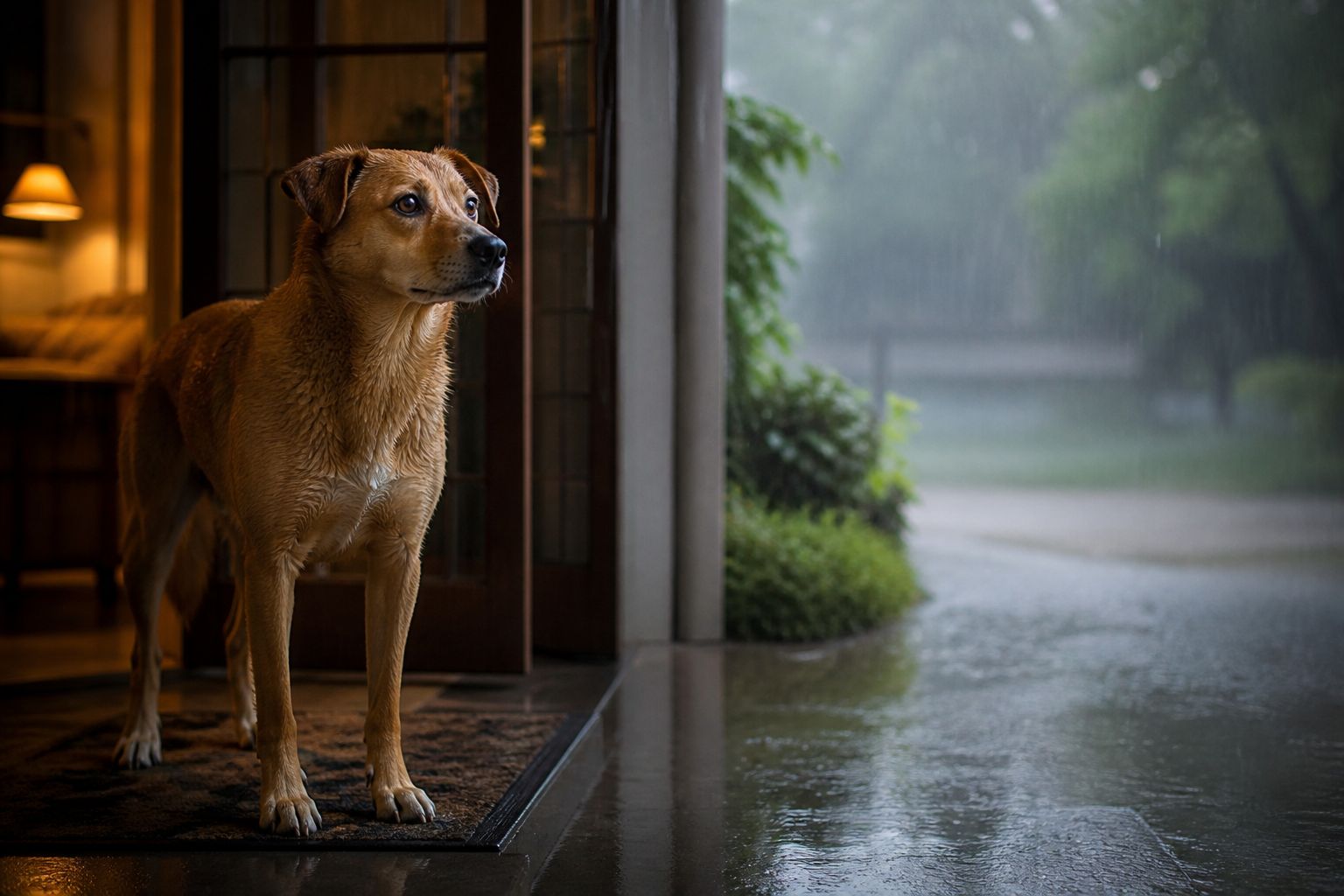
Indore’s monsoon transforms familiar streets around Navlakha and Navlakha: cooler evenings, sudden downpours, and water that gathers where drains struggle. Pets feel the season too. Humidity softens skin barriers, ear canals stay damp, ticks find favourable conditions, and walks become a negotiation between exercise needs and puddle risk.
This monsoon pet care Indore guide focuses on practical habits — ears, skin, parasites, waterlogging, and smarter walk routines — so you can enjoy the rains without collecting preventable clinic visits. It is local guidance, not a scare list. When symptoms appear, early care still beats waiting for a “dry day.”
What changes for pets when the rains arrive
Compared with Indore’s dry heat, monsoon living often means:
- Longer damp coats after every outing
- More time indoors, sometimes with less structured exercise
- Higher environmental mould and moisture around homes
- Busier parasite seasons
- More scavenging opportunities when food waste washes toward roadside edges
Dogs that loved long morning walks may need shorter, more frequent toilet breaks. Cats that sit on balconies may encounter more mosquitoes and wet wind. Adjust routines deliberately rather than hoping pets “adapt automatically.”
Ears: the monsoon trouble spot many owners miss
Ear infections are a classic rainy-season complaint, especially in dogs with floppy ears or dense hair around the canal opening.
Why moisture matters
A warm, humid canal is an inviting environment for irritation. After rain walks, water can linger even when the outer fur looks only lightly wet.
Daily habits that help
- Gently dry the outer ear area with a clean, soft cloth after wet walks
- Avoid pushing cotton buds deep into the canal
- Do not pour home oils, leftover ear drops, or random powders into ears
- Note early clues: head shaking, scratching, tilt, odour, dark discharge, or pain when the ear base is touched
If your dog suddenly refuses ear touching, treat that as useful information — pain is a reason to book a consultation, not a reason to wait.
Cats and ears
Cats can develop ear problems too, including mite-related irritation in some cases. Persistent scratching or crusting deserves an exam rather than repeated over-the-counter experiments.
Skin and coat: humidity, hot spots, and “musty” smell
Monsoon skin issues range from mild itch to rapidly spreading moist dermatitis.
Common triggers
- Coat left damp for hours
- Allergies flaring in humid air
- Fleas or ticks causing self-trauma
- Minor wounds that stay moist
- Over-bathing with harsh shampoos
A sensible drying routine
After rainy walks:
- Towel dry thoroughly, including armpits, groin, and between toes
- Use a pet-safe dryer on cool/low only if your pet tolerates it — never leave a pet unattended with heat tools
- Brush to separate damp mats, especially in long-coated breeds
- Provide a dry resting mat away from damp floors
Bathing frequency
More rain does not automatically mean more baths. Excess washing can strip oils and worsen itch. Ask your veterinarian which shampoo frequency suits your pet’s skin. Medicated washes should follow professional direction, not chat-group recipes.
When skin needs a vet
Book care for spreading redness, open sores, intense odour, facial swelling, or itch that stops sleep. Home cleaning alone rarely solves established infection.
Paws, nails, and the hidden debris of wet roads
Waterlogged Indore lanes can hide glass, metal, plastic, and thorns. Softened pads crack more easily; webs between toes trap mud.
Post-walk paw check
- Look between toes for seeds, grit, and redness
- Check nails for snags
- Rinse lightly if paws are muddy, then dry well
- Watch for licking focused on one paw — a classic foreign-body clue
Limping after a wet walk deserves the same seriousness as limping in dry weather. See our guide on dog warning signs if mobility changes persist.
Ticks, fleas, and “he seems tired after the rains”
Warm wet seasons often increase parasite visibility. Prevention is easier than treating heavy infestations or secondary illness.
Prevention habits
- Keep vet-recommended tick/flea prevention on schedule year-round, with monsoon as a no-skip period
- Check ears, neck, armpits, groin, and toes after outdoor time
- Wash bedding regularly and keep resting areas dry
- Avoid assuming indoor pets have zero risk — balcony and doorway exposure still happens
Why lethargy deserves attention
Ticks are not only a nuisance; some can be associated with serious illness. Do not diagnose “tick fever” from a social media checklist. Instead, note symptoms — feverish behaviour, appetite loss, pale gums, weakness — and seek prompt veterinary assessment. Ask your vet to explain what tests or treatments are appropriate for your dog’s presentation.
For deeper seasonal reading, see our post on tick fever prevention for dogs in Indore.
Waterlogging: when outdoor time should shrink
Flooded stretches near low roads and clogged drains are more than a inconvenience.
Risks of wading
- Contaminated water on open skin or minor cuts
- Mouthing dirty water or floating waste
- Hidden holes and debris causing injury
- Chill and prolonged dampness after “just a quick splash”
Practical alternatives
On heavy rain days:
- Use indoor play sessions, training games, and puzzle feeders
- Take brief toilet walks on the driest available route
- Carry a towel in a bag for quick drying at the gate
- Skip park mud pits even if your dog loves them
Cats should not be encouraged onto wet ledges where slips are likely. Indoor enrichment matters more in monsoon than in pleasant winter weather.
Walk strategy for Indore rains
Timing
- Choose lighter drizzle windows when storms pause
- Avoid peak lightning periods and strong wind with flying debris
- Keep night walks shorter when visibility and puddle depth are hard to judge
Gear that helps (without overcomplicating)
- A simple raincoat for dogs that tolerate clothing — remove and dry after use
- Reflective leads for darker monsoon evenings
- Absorbent towels staged near the entrance
- A designated “wet dog” mat so the whole home does not stay damp
Booties are optional and only useful if your pet accepts them; forced gear that causes stress is not a win.
Leash manners in slippery conditions
Wet tiles and marble building entrances are slick. Slow down near gates and lifts. A calm exit routine prevents pulled muscles and frantic shaking inside corridors.
Digestion, drinking water, and monsoon appetite shifts
Some pets eat less on muggy days; others scavenge more. Stick to regular meals and resist “rainy day” fried leftovers.
- Provide fresh drinking water — pets still dehydrate
- Prevent access to outdoor bowls of stagnant water
- Watch for vomiting or diarrhoea after scavenging; persistent signs need care
- Discuss nutrition guidance if weight or stool quality drifts across the season
Do not use human antidiarrhoeals unless a veterinarian specifically directs a product and dose for your pet.
Home environment: mould, mosquitoes, and damp corners
Pets often rest in the coolest floor spots — which may also be the dampest.
- Elevate beds slightly or use washable covers
- Improve airflow without directing harsh fans at a wet animal
- Empty plant saucers and balcony trays that collect water
- Use screens where possible; discuss parasite prevention rather than relying on strong household insecticides near pets
If you use any spray or coil products, keep pets away from concentrated fumes and follow label safety. When unsure, ask the clinic what is pet-safer for your layout.
Cats in monsoon: quieter risks
Cat parents sometimes assume monsoon advice is “for dogs only.” Cats still face:
- Ear and skin irritation in humid homes
- Stress from thunderstorms and fireworks overlapping festive calendars
- Balcony mosquito exposure
- Litter boxes placed in damp utility corners that smell musty and discourage use
Litter avoidance can look behavioural while starting as an environmental comfort issue — or a medical one. Sudden litter changes deserve a checkup mindset, not only a new litter brand experiment.
When monsoon symptoms need a prompt visit
Contact Happy Tails promptly for:
- Laboured breathing
- Collapse or inability to stand
- Seizures
- Bloated, hard abdomen with distress
- Uncontrolled bleeding
- Suspected toxin ingestion (including rodent baits that appear more often in wet seasons around some properties)
For ear infections, skin flares, and tick concerns, same-day or next-available consults prevent long, expensive cascades.
WhatsApp 9244089800 with a short description and photo when helpful, especially if you are travelling from Navlakha, Navlakha, or surrounding areas during heavy rain.
A simple monsoon checklist you can reuse weekly
- Prevention products up to date?
- Ears smell normal and are not painful?
- Paws dried and free of debris?
- Coat odour suddenly musty or yeasty?
- Energy and appetite close to baseline?
- Bedding dry?
- Walk routes free of deep standing water?
If two or more answers worry you, book a visit rather than stacking home remedies.
Conclusion: enjoy the rains, protect the routine
Monsoon in Indore can be gentle on temperature and tough on moisture management. Dry ears and paws, consistent parasite prevention, smarter walk choices, and early attention to itch, odour, or lethargy will carry most households through the season comfortably.
For personalised advice, visit Happy Tails Pet Clinic near Navlakha Square, Navlakha. Dr. Rashmi Khandelwal can examine seasonal ear or skin issues, review tick prevention, and help you decide what can wait versus what needs care now.
Soft next step: WhatsApp or call 9244089800, or email happytailspetclinic6@gmail.com, with your pet’s age and main monsoon concern — we are here to keep rainy-season care practical and calm.
Frequently asked questions
Why do dogs get more ear problems in the monsoon?
Humidity and moisture trapped in the ear canal encourage irritation and infection, especially in floppy-eared dogs. Dry ears after wet walks and seek care if you notice odour, head shaking, or pain.
Should I bathe my dog more often during Indore rains?
Not necessarily. Over-bathing can dry or irritate skin. Focus on drying the coat and paws after wet outings, and bathe only as advised for your dog’s skin type — ask your vet if flares persist.
Are ticks worse in the monsoon in Indore?
Warm, wet weather often increases parasite pressure. Keep prevention current, check pets after walks, and book a consult for lethargy, feverish behaviour, or unexplained appetite loss.
Is it safe for pets to walk through waterlogged streets?
Avoid stagnant or flooded water when possible. It can irritate skin, contaminate wounds, and hide sharp debris. Choose shorter, drier routes or indoor play on heavy rain days.
When should I call a vet for monsoon-related symptoms?
Contact a clinic for ear odour with pain, spreading skin sores, persistent limping, repeated vomiting or diarrhoea, heavy panting with collapse, or sudden extreme tiredness.
Related reading & services
Concerned about your pet?
Our team at Happy Tails is ready to help with a calm consultation and a clear next step.