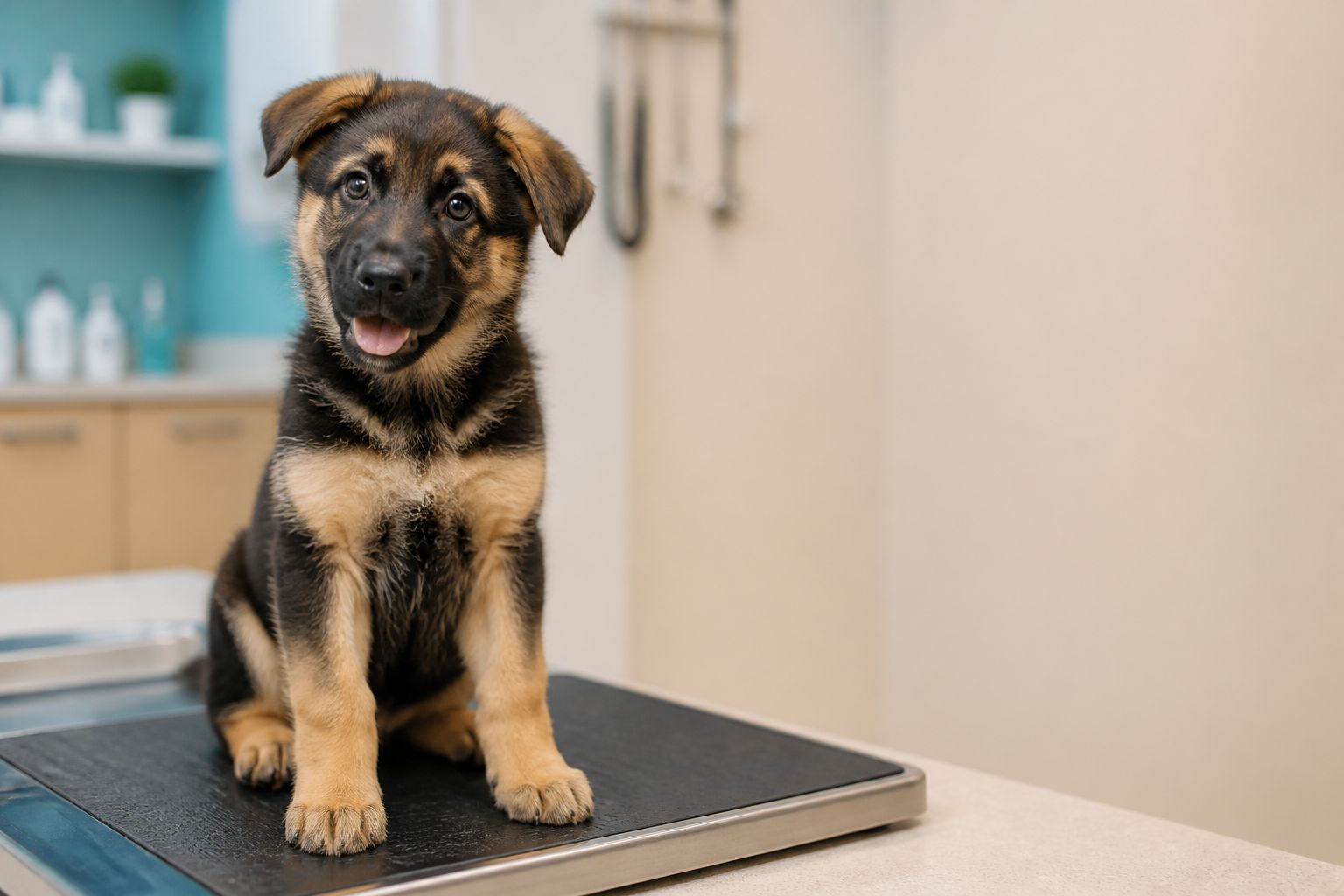
Bringing a puppy home in Indore is joyful—and busy. Between chewed slippers, sleep schedules, and name training, veterinary care can feel like one more task. In reality, the first year is when vaccines, parasite control, nutrition, and safe socialisation set the foundation for adult health. This checklist is designed for families near Navlakha and across Indore who want a clear roadmap with Happy Tails Pet Clinic.
The first week at home: settle, observe, schedule
Your puppy’s first veterinary visit should happen early—ideally soon after arrival. Even puppies that “look fine” may carry worms, have soft stools, or need guidance on diet transitions from the breeder or shelter food.
First-week owner checklist
- Book a wellness exam — baseline weight, hydration, coat, eyes, ears, heart, and abdomen
- Collect history — known vaccine shots already given, deworming dates, appetite, and litter details if available
- Note stool quality daily — colour, firmness, mucus, or visible parasites
- Watch energy and breathing — persistent coughing, extreme lethargy, or refusal to eat needs prompt care
- Start a simple record album on your phone for dates and receipts
If you are nervous about the first appointment, our guide to what to expect at a first vet visit can help you prepare carrier, treats, and questions.
Vaccination: the core of the first-year plan
Vaccines protect puppies from serious infectious diseases while their immune systems are still maturing. In Indore, core protection typically includes diseases your veterinarian prioritises for local risk, with rabies vaccination as an essential public-health and pet-health step.
How puppy vaccine visits usually work
Puppies often receive a series of vaccines several weeks apart rather than a single shot. Timing depends on age at the first visit and previous doses. Your veterinarian will map boosters so protection builds smoothly without unnecessary delays.
Bring prior vaccine cards to every visit. Incomplete paperwork leads to guesswork—and guesswork is how gaps appear.
Practical tips for vaccine days
- Keep the morning calm; avoid heavy exercise right after vaccination unless told otherwise
- Ask which mild sleepiness or tenderness is expected
- Contact the clinic if facial swelling, repeated vomiting, collapse, or hives appear
- Plan boarding or travel only after your vet confirms the required vaccines are complete
Explore vaccination services at Happy Tails to understand how schedules are personalised rather than copied blindly from a chart online.
Deworming and parasite awareness in Indore
Internal parasites are common in young dogs. Puppies may need repeated deworming in early life, then a maintenance rhythm based on lifestyle. Outdoor time in parks, societies, and shared green belts around Indore increases exposure risk.
Do not mix random dewormers from multiple shops without guidance. Dose depends on accurate weight, and products differ. Our longer guide on how often to deworm your pet explains why age and lifestyle matter.
External parasites matter too
Fleas and ticks are not only summer stories. After walks, check ears, armpits, groin, and toe gaps. Ask your veterinarian when tick prevention can start for your puppy’s age and weight—product choice should be clinic-guided, especially in young animals.
Monsoon months deserve extra attention to damp paws, ear odour, and skin fold moisture. Pair parasite plans with sensible hygiene after rainy walks.
Socialisation safety: confidence without unnecessary risk
The first months are a powerful window for learning that sounds, surfaces, people, and handling can be safe. At the same time, incomplete vaccination means some public dog spaces carry real infectious risk.
Safer socialisation ideas while vaccines are ongoing
- Invite known, healthy, fully vaccinated adult dogs for short supervised meetings if your vet agrees
- Carry your puppy through busy markets rather than placing them on high-traffic pavements when risk is high
- Practise handling at home: ears, paws, mouth, and collar touches paired with gentle rewards
- Expose your puppy to household noises at comfortable volumes—mixer, traffic through a window, doorbell
- Enrol in structured training later when your veterinarian says public class settings are appropriate
Avoid unsupervised contact with stray dogs and unknown park groups until your clinician clears broader exposure. Socialisation is not the same as free-for-all play.
Nutrition for growth without joint overload
Growing puppies need complete nutrition, not an endless stream of milk, gravy leftovers, and “just one more” chapati. Large-breed puppies are especially sensitive to overfeeding and excessive calcium experimentation.
Feeding foundations
- Choose a growth-appropriate complete diet and measure portions
- Keep a consistent feeding schedule; free-feeding makes toilet training harder
- Limit high-calorie treats; use tiny training rewards
- Fresh water should always be available
- Transition foods gradually when changing brands
If your puppy’s ribs disappear under a heavy fat cover, or if the puppy seems too thin despite eager eating, book nutrition guidance. Cute round bellies are not always healthy bellies.
Foods and habits to avoid
Never give xylitol sweetener products, cooked bones that splinter, alcohol, caffeine, grape or raisin foods, or onion- and garlic-heavy leftovers. Spicy Indore snacks are for humans—not for puppy stomachs.
House training, chewing, and mental health
Veterinary care includes behaviour support because stress shows up in the gut and skin. Puppies need sleep, short training sessions, and safe chew outlets. Harsh punishment delays learning and damages trust.
Provide:
- A quiet rest corner away from constant foot traffic
- Toilet breaks after naps, meals, and play
- Chew toys suited to size—discard damaged pieces that can be swallowed
- Short lessons instead of hour-long drills
If growling, extreme fear, or biting worries you, ask early. It is easier to guide a 12-week-old than to repair habits at ten months.
Checkup rhythm through the first year
Think of the first year as chapters rather than one long blur:
Early months
Frequent vaccine and deworming visits, weight tracking, and stool checks. Ask about microchip or identification habits used in your community, and keep collar tags updated.
Mid growth
Discuss sterilisation timing when appropriate, dental home care beginnings, and whether diet should shift as growth slows. Review pet checkup visits if you notice limping, chronic ear smell, or skin itching.
Approaching one year
Confirm booster timing, adult diet transition plans, parasite prevention for the next season, and any breed-specific screening your veterinarian recommends. Celebrate progress—but keep records current.
Indore-specific lifestyle notes for puppy families
Indore’s heat can make midday walks risky. Choose cooler hours, test pavement with the back of your hand, and never leave a puppy in a parked vehicle. Provide shade on balconies and secure gaps where a curious puppy could slip.
Society corridors, lifts, and parks introduce noise and strangers. Let your puppy observe at a distance they can handle. Forced greetings from every passer-by can overwhelm a sensitive dog.
During festival seasons and loud celebrations, create a buffered room with familiar bedding. Ask your vet before using any calming product—many human remedies are unsafe.
Red flags in puppies
Puppies can decline faster than adult dogs. Seek same-day veterinary help for:
- Repeated vomiting or diarrhoea with dullness
- Laboured breathing or pale gums
- Bloated, tight abdomen with distress
- Seizures, collapse, or inability to stand
- Suspected poisoning or chewing of electrical wires / toxic plants
- Straining without producing urine
WhatsApp or call Happy Tails on 9244089800, and use our contact details for location help near Navlakha Square / Navlakha.
Building your personalised first-year folder
A simple folder—digital or paper—might include:
- Vaccine certificates
- Deworming and tick-prevention dates
- Weight log monthly
- Diet brand and measured amounts
- Questions list for the next visit
- Photos of rashes or stool concerns when they occur
Bring this folder to every appointment. Continuity saves time and prevents repeated guesswork if you ever need a second-opinion visit.
How Happy Tails supports Indore puppy parents
Dr. Rashmi Khandelwal and the Happy Tails team help families map vaccines, parasite control, nutrition, and safe growth milestones without overwhelming new owners. Visits stay practical: what to do this week, what can wait, and what deserves a same-day call.
Whether you adopted a Indie puppy from a neighbourhood rescue or welcomed a pedigree companion, the first-year principles remain the same—prevention, observation, and partnership with your veterinarian.
Soft next step for your puppy plan
If your puppy is new to the household—or if vaccine dates feel messy—message Happy Tails Pet Clinic on WhatsApp at 9244089800 to book a first-year planning consult. Bring whatever records you have; we will help you organise the rest. A calm checklist today prevents scramble later, and your puppy gets the steady start Indore’s busy streets and seasons demand.
A sample month-by-month mindset (not a rigid calendar)
Every puppy’s vaccine and deworming dates are individual. Still, many Indore families find it helpful to think in themes:
Months of arrival and settling
Focus on stool quality, hydration, sleep, and bonding. Confirm which vaccines were already given. Ask whether the current diet matches growth needs. Practise carrier rides so clinic visits feel familiar.
Mid-series vaccine months
Keep booster appointments on the calendar. Continue parasite prevention conversations as weight climbs—doses change. Begin more structured leash manners in quiet lanes before busy main roads.
Later growth months
Discuss sterilisation timing when appropriate, dental home-care beginnings, and whether food type should shift as growth slows. Revisit tick and flea prevention before monsoon peaks. Schedule a fuller wellness review if ears, skin, or limping have been recurring.
This mindset keeps you proactive without turning the year into anxiety. When unsure, ask—Happy Tails would rather adjust a plan early than rebuild one after a preventable setback.
Frequently asked questions
When should my new puppy see a vet in Indore?
Ideally within the first few days after coming home—sooner if energy, stool, appetite, or breathing seem off. An early exam catches parasites, dehydration, and congenital concerns before problems escalate.
Can my puppy meet other dogs before vaccines are finished?
Socialisation matters, but disease risk is real before the primary vaccine series is complete. Ask your veterinarian how to balance controlled, low-risk exposure with protection—avoid unknown stray contact and high-traffic dog areas until cleared.
How often do puppies need deworming?
Puppies usually need more frequent deworming than adult dogs in the early months. Exact intervals depend on age, stool findings, and lifestyle. Follow a clinic schedule rather than repeating a random shop product.
What should I feed a growing puppy?
Use a complete diet appropriate for growth, measured portions, and limited extras. Overfeeding for a “cute chubby” look can stress developing joints. Your vet can help calibrate food type and amounts for breed size.
Which records should I keep in the first year?
Keep vaccine dates, deworming dates, weight notes, and any lab results in a phone album or folder. Boarding, travel, and future clinics often request proof of core vaccines such as rabies.
Related reading & services
Concerned about your pet?
Our team at Happy Tails is ready to help with a calm consultation and a clear next step.