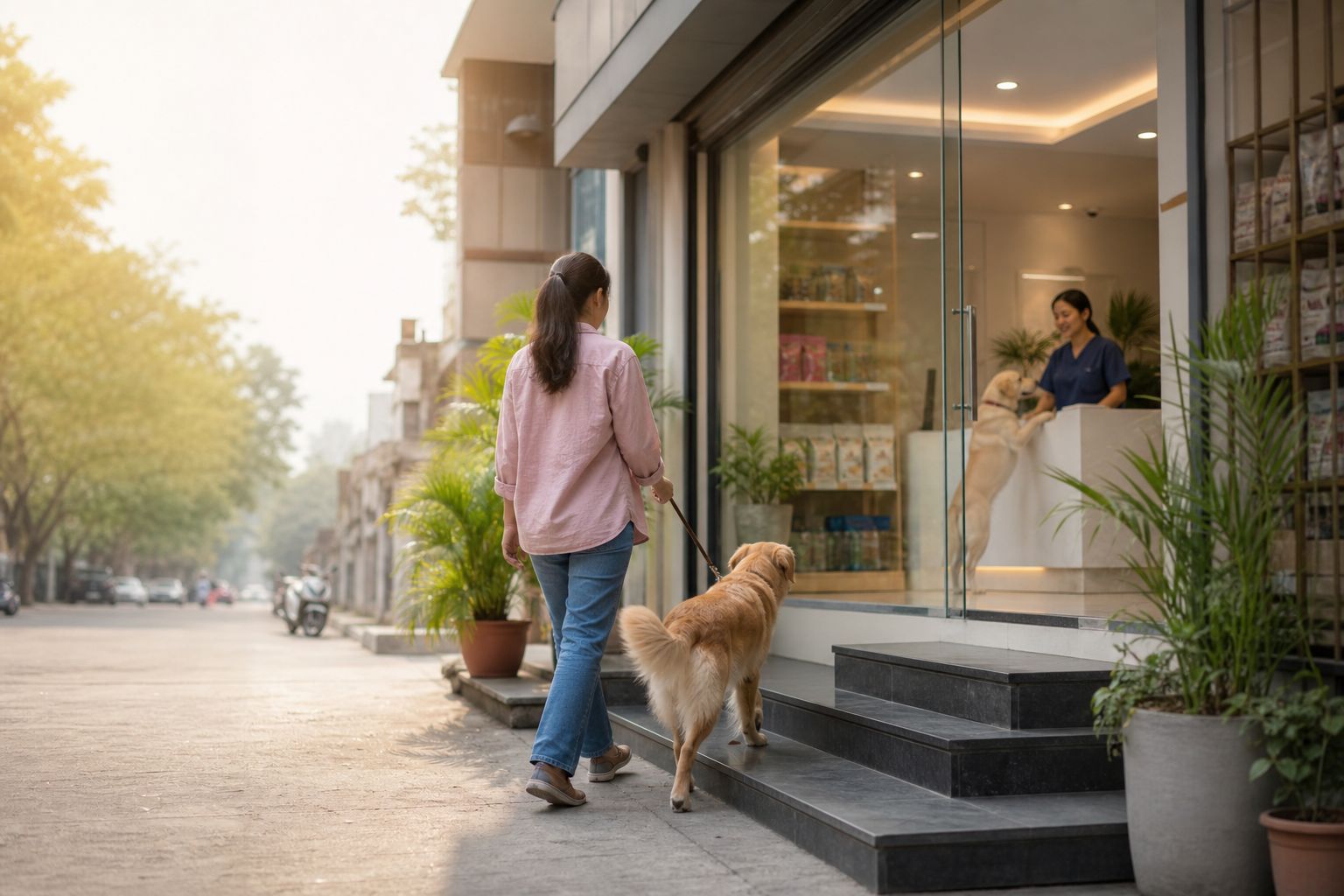
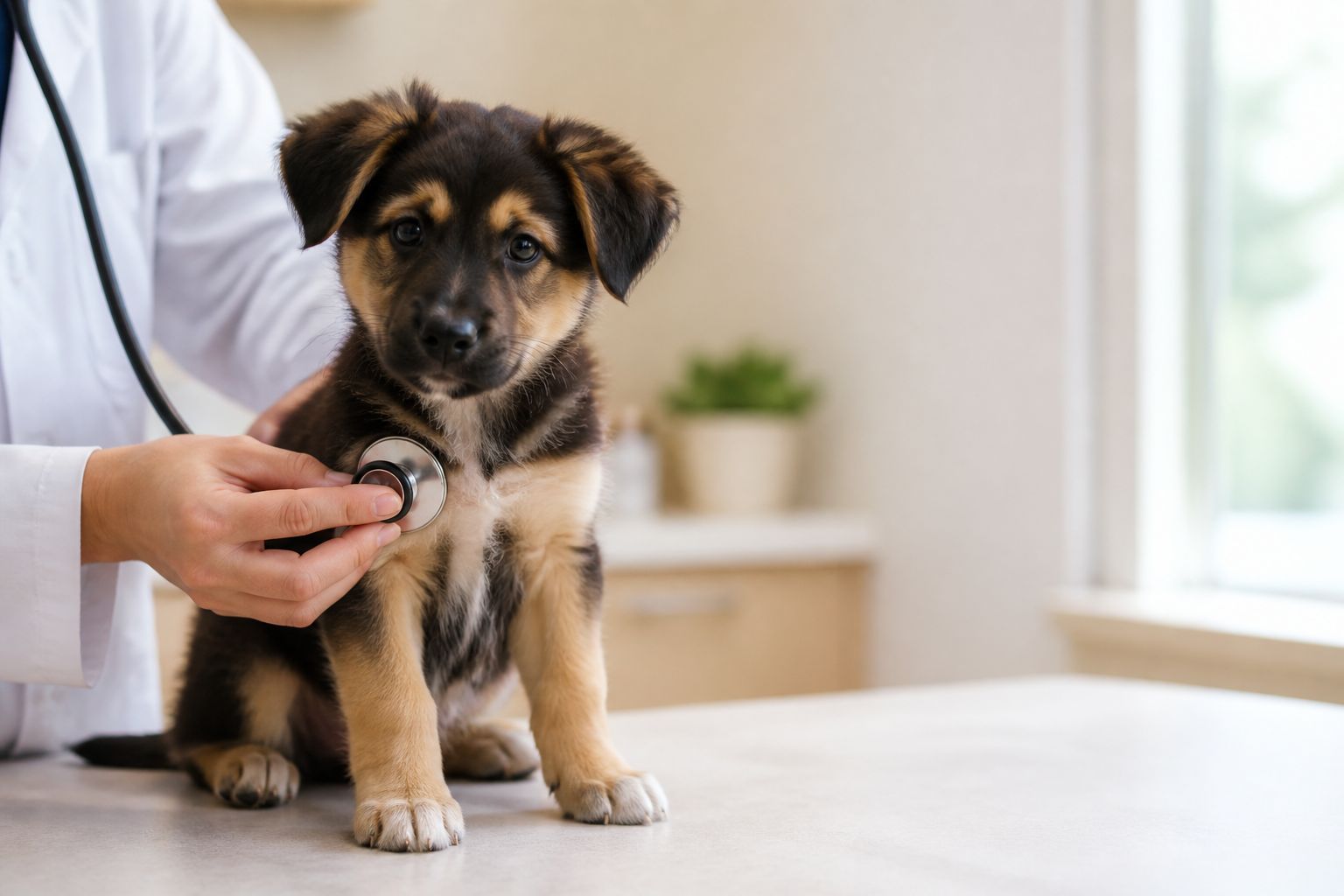
Walking into a veterinary clinic with a nervous pet — or as a first-time owner yourself — feels easier when you know the rhythm of the visit. This guide explains what to bring, how a consultation typically flows at Happy Tails Pet Clinic, and practical tips for finding us in Navlakha, Indore. The goal is simple: fewer surprises, clearer conversations, and a calmer experience for everyone.
Why the first visit matters
Your first appointment sets the tone for the relationship. It is when the clinic learns your pet’s baseline — temperament on the table, body condition, dental starting point, vaccine history — and when you learn how the veterinarian communicates. A strong first visit is less about “finishing quickly” and more about leaving with a plan you trust.
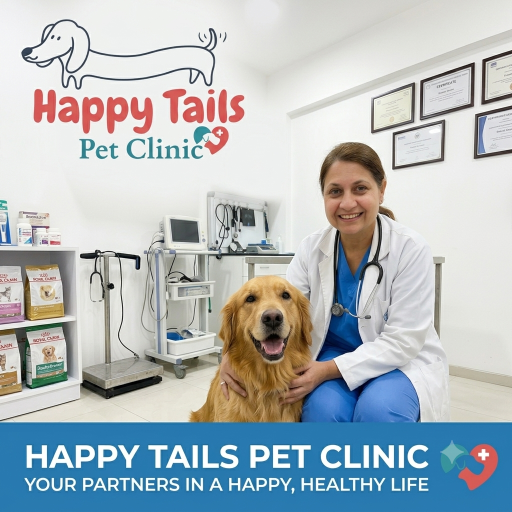
At Happy Tails, first visits are intentionally clear and unhurried. Dr. Rashmi Khandelwal (B.V.Sc & A.H, Mhow), with 25+ years of experience, treats the appointment as a two-way conversation: your observations at home matter as much as findings in the clinic.
If you want a fuller sense of who will examine your pet, read Meet Dr. Rashmi Khandelwal or the About page before you arrive.
What to bring — a practical checklist
You do not need a perfect file. Bring what you have, and say honestly what is missing. Helpful items include:
- Previous vaccination cards or clinic summaries
- Deworming or tick-prevention history, even if approximate dates
- A short written list of current foods, treats, table scraps, and supplements
- Notes on symptoms: when they started, how often, what improves or worsens them
- Photos or short videos of concerning behaviour, limping, or vomiting episodes
- Any medicines currently being given, in original packaging when possible
- For adopted pets: shelter or previous-owner notes, if available
Species-specific comfort tips
Dogs: Use a secure collar or harness and leash. Bring a familiar towel or mat if your dog settles better on something that smells like home. Avoid a heavy meal immediately before the visit if travel makes them nauseous — ask when booking if fasting is needed for a specific test.
Cats: A hard-sided or well-secured soft carrier is safest. Covering part of the carrier with a light cloth can reduce visual stress in traffic and in the waiting area. Never travel with a loose cat in the car cabin.
Puppies and kittens: Bring questions about schedule — vaccines, deworming, socialisation safety, and diet transitions. A first-year plan prevents a lot of guesswork later. Our vaccination and pet checkup pages outline how preventive care is structured.
Before you leave home
A few small steps reduce stress:
- Note your pet’s last meal time and water intake
- Collect a stool sample only if the clinic asked for one in advance
- Use the bathroom yourself — calmer humans help calmer pets
- Plan parking and travel time so you are not rushing through Navlakha traffic
- Save the clinic number 9244089800 so you can call or WhatsApp if you are delayed
How the consult flow works
Every pet is different, but most first visits follow a recognisable sequence.
1. Arrival and settling in
Check in, share the reason for your visit, and let your pet adjust to the room. If your dog is reactive or your cat is highly stressed, tell the team early — small adjustments in pacing and handling can help.
2. History conversation
Expect questions about age, diet, indoor/outdoor lifestyle, other pets at home, previous illnesses, and what you are noticing now. Specifics beat vague labels. “Vomited yellow foam twice after drinking a lot yesterday evening” is more useful than “stomach problem.”
3. Gentle physical examination
Dr. Rashmi examines with care: weight and body condition, eyes and ears, oral health, skin and coat, lymph nodes, chest auscultation, abdominal palpation, and musculoskeletal comfort. Handling stays as calm as the situation allows. Fear-free does not mean incomplete — it means efficient, respectful exam technique.
4. Discussion of findings
You will hear what looks normal, what needs watching, and what needs action. This is the moment to ask for plain-language explanations. Good questions include:
- What is the most likely cause?
- What else could it be?
- What should I monitor at home tonight?
- Which signs mean I should call for advice?
5. Diagnostics only when they add value
Tests are recommended when they change decisions — confirming a suspicion, ruling out something serious, or guiding medicine choice. A first wellness visit for a bright, eating pet may need little more than a thorough exam and a preventive schedule. An ill pet may need targeted investigation. The principle is usefulness, not upselling.
6. A written-in-mind plan before you leave
You should leave knowing:
- Medicines (dose, timing, with/without food)
- Home-care steps for the next few days
- Diet adjustments, if any
- Follow-up timing
- When to escalate
Questions are always welcome. If something is unclear in the parking lot, step back in or WhatsApp for clarification rather than guessing at home.
For a dedicated sick-pet or new-concern appointment style, start with veterinary consultation. For nutrition-focused first visits — seniors, weight, picky eating — see nutrition guidance.
After the visit — making the plan stick
The first 48 hours after a consult are when plans succeed or quietly fall apart. Put medicine times in your phone. Separate “must do” instructions from optional tips. Watch for the warning signs the doctor named. If your pet refuses medicine, contact the clinic early — there are often practical workarounds.
Keep a simple notebook or phone note with vaccine dates and weights. Future visits become faster when history is organised, and continuity of care improves when the clinic can see trends rather than isolated snapshots.
Navlakha location tips
Happy Tails Pet Clinic is at:
Shop No. 6, Ground Floor, Ish Kripa Complex Near Jankinath Mandir / Navlakha Square, 111 Janki Nagar, Navlakha, Indore – 452001, Madhya Pradesh
Finding the clinic
- Search Happy Tails Pet Clinic on Google Maps for pin-accurate navigation
- Use landmarks: Ish Kripa Complex, Jankinath Mandir, and Navlakha Square
- If you are coming from other parts of Indore, build in buffer time for Navlakha traffic, especially evenings
- Call or WhatsApp 9244089800 if you are close but unsure which entrance to use
Timing your arrival
Clinic hours are:
- Monday–Saturday: 10:00 AM – 9:00 PM
- Sunday: 1:00 PM – 4:00 PM
Mid-morning on weekdays is often calmer for nervous pets than late-evening peaks, though needs dictate timing. Sunday hours are shorter — plan accordingly if that is your only free window.
Parking and companion tips
Arrive with one calm adult handler when possible. Extra people can help with carriers, but crowded exam spaces sometimes increase a pet’s arousal. Bring waste bags for dogs and keep cats secured until you are inside a closed room.
Full address details and outreach options are on the contact page, including phone, WhatsApp, email (happytailspetclinic6@gmail.com), and map access.
Common first-visit reasons we see
Owners book first appointments for many ordinary, important reasons:
- New puppy or kitten vaccine and deworming planning
- Moving to Indore and transferring care from another city
- Mild but persistent issues: itching, ear odour, soft stool, reduced appetite
- “Is this normal?” behaviour or senior-pet changes
- Annual wellness after years without a regular clinic
There is no need to apologise for a “small” concern. Early visits often keep small problems from becoming harder ones. If you are still comparing clinics, our buyer-minded article on how to choose a vet clinic in Indore can help you evaluate fit.
Helping nervous pets through the appointment
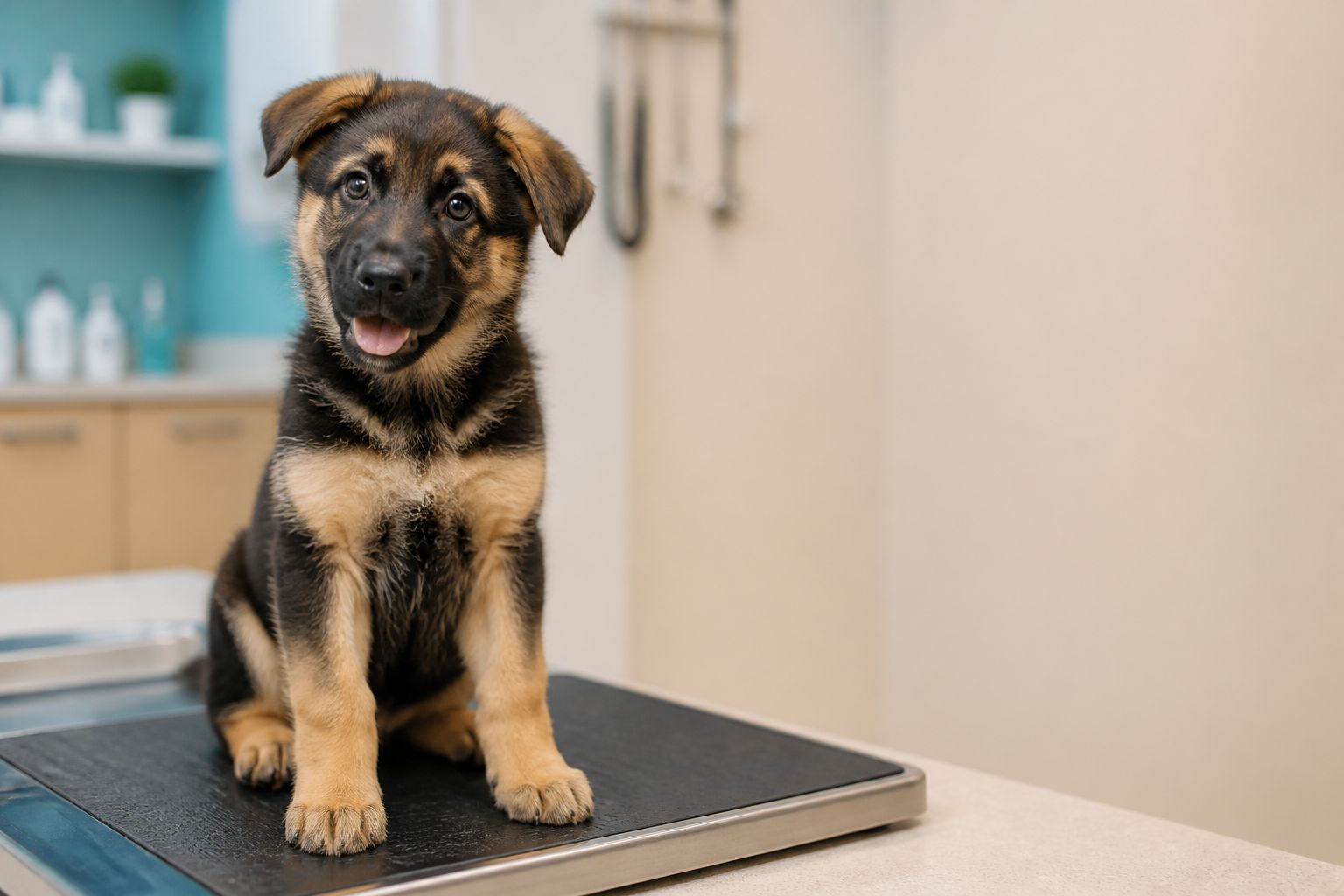
Some animals arrive already worried — trembling in the carrier, panting in the waiting area, or refusing to hop on the scale. That does not mean the visit failed before it started. Tell the team what usually helps at home: slow approaches, sitting on the floor, a favourite treat after handling, or needing extra time before restraint for nail or ear checks.
Useful owner habits:
- Practise short carrier sessions at home in the days before a cat visit
- Keep leash manners calm; avoid scolding a fearful dog in the clinic
- Ask whether a portion of the exam can happen with the pet on your lap or on a non-slip mat
- Save complex grooming requests for a separate, planned visit when your pet is unwell
Fear is information. A veterinarian who notices fear can adjust pacing and still complete a meaningful exam. Over time, positive clinic experiences often improve — especially when visits are not only associated with feeling sick.
Cost conversations without awkwardness
Money is part of care planning. A first visit may include consultation and preventive treatments, or it may expand if illness requires diagnostics. It is reasonable to ask which steps are essential today versus which can wait for monitoring. Ethical clinics would rather sequence care thoughtfully than push every possible test in one hour.
If budget is tight, say so early. That honesty helps the doctor prioritise the highest-yield next step — the one most likely to protect your pet now — and schedule follow-ups that fit your reality. Transparency here builds trust faster than polite silence.
Soft next step
When you are ready for a first visit, Happy Tails is set up to keep the experience understandable — from what to pack to how the consult unfolds to how you find Ish Kripa Complex in Navlakha.
Call or WhatsApp 9244089800, email happytailspetclinic6@gmail.com, or reach out via contact. Share a short note about your pet’s age and the reason for the visit. We will help you take the next step without rush or guesswork.
Frequently asked questions
What should I bring to my pet’s first vet visit?
Bring prior vaccination and medical records if available, a list of current foods and treats, notes on symptoms or behaviour changes, and any medicines or supplements your pet takes. Cats travel safest in a secure carrier; dogs should be on a comfortable leash.
How long does a first consultation usually take?
First visits are unhurried by design. History, exam, and discussion of a plan take longer than a quick refill. Arrive with a little buffer, especially if your pet is nervous or you have several questions written down.
Where is Happy Tails Pet Clinic and how do I find it?
The clinic is at Shop No. 6, Ground Floor, Ish Kripa Complex, near Jankinath Mandir / Navlakha Square, 111 Janki Nagar, Navlakha, Indore. Search “Happy Tails Pet Clinic” on Google Maps, or call 9244089800 if you need landmark guidance while travelling.
Should I call before my first visit?
Yes. WhatsApp or call 9244089800 with a short description of your pet’s age, the reason for the visit, and any records you have. That helps the clinic prepare for your appointment.
Will my pet need tests on the first visit?
Not always. Dr. Rashmi Khandelwal recommends diagnostics when they meaningfully change the plan — not by default. Many first visits focus on history, exam, preventive scheduling, and clear home-care steps.
Related reading & services
Concerned about your pet?
Our team at Happy Tails is ready to help with a calm consultation and a clear next step.