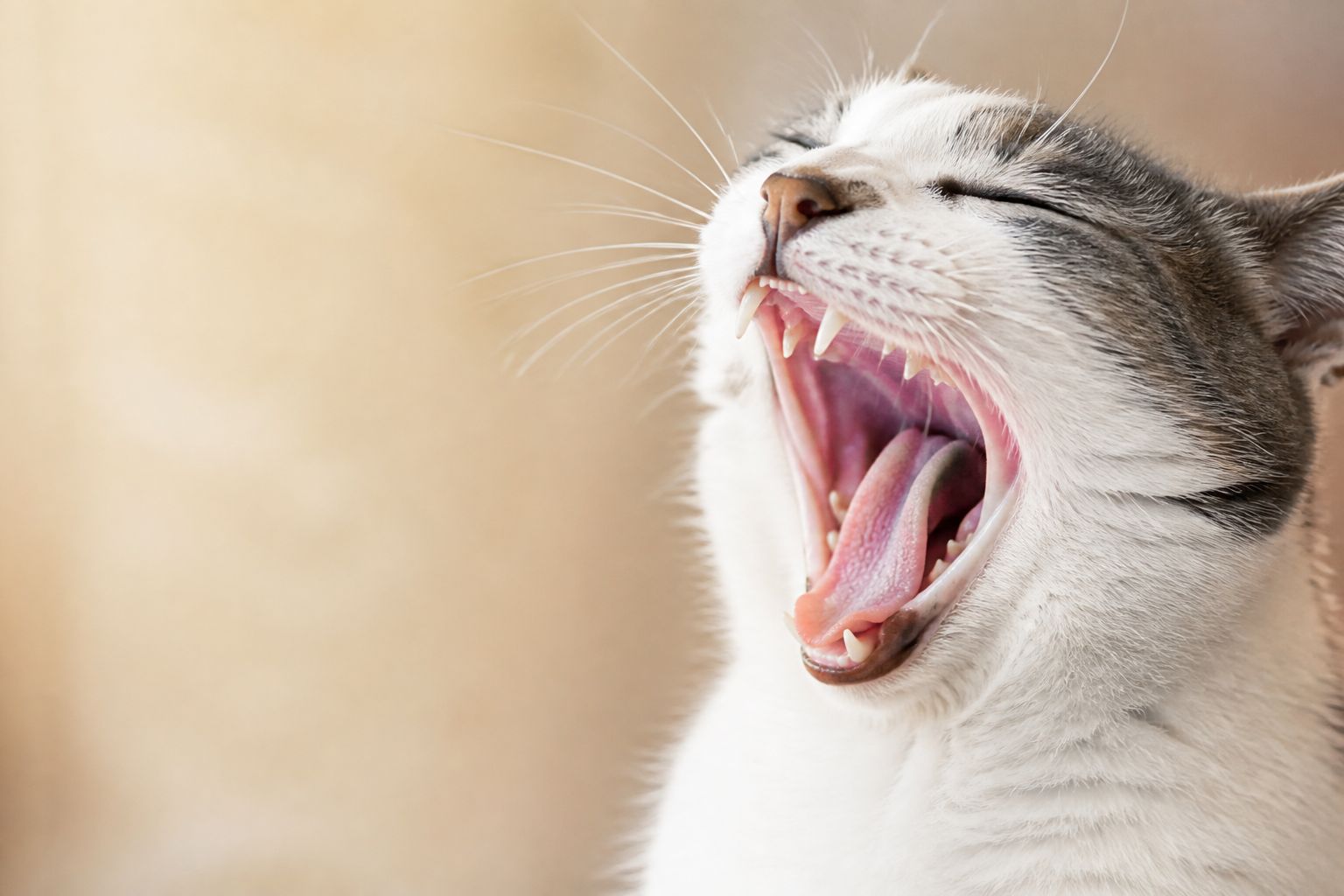
Many Indore pet parents notice their dog’s breath on the evening walk or catch a sharp smell when their cat yawns on the sofa — and assume it is simply “how pets are.” Persistent bad breath is often an early message from the mouth: plaque, tartar, gingivitis, tooth fracture, or deeper dental disease.
At Happy Tails Pet Clinic in Navlakha, Dr. Rashmi Khandelwal encourages families to treat oral health as part of whole-body care. Teeth and gums affect comfort, appetite, behaviour, and in advanced disease can contribute to broader health stress. This guide covers what bad breath means, how to build a brushing habit, where chews help (and where they mislead), and when professional dental care is the kindest next step.
Why pet dental care matters more than cosmetics
A clean-looking smile is nice. Comfortable chewing is essential. Oral pain can show up as:
- Reluctance to eat hard food or toys
- Chewing on one side
- Dropping kibble
- Pawing at the mouth
- Increased drooling
- Irritability when the face is touched
- Preferring soft treats only
- Reduced grooming in cats (face discomfort)
Some pets show almost no drama — they simply become quieter about meals. That subtlety is why routine mouth checks during wellness visits matter even when you have not noticed a crisis.
Dental disease is progressive. Plaque can mineralise into tartar; gums can become inflamed; pockets can form along the tooth. Home care slows buildup. Professional care addresses what you cannot reach with a brush alone. Neither replaces the other.
Bad breath: sorting “food smell” from a clinical clue
Everyday odours
A strong smell right after fish-based cat food or a pungent treat may fade. That is different from a constant foul, sweet, or “infected” odour that fills the room when your pet pants nearby.
Breath that deserves a veterinary look
Book a consultation if you notice:
- Breath that stays unpleasant day after day
- Yellow-brown tartar along the gumline
- Red, swollen, or bleeding gums
- Brown staining concentrated near molars
- Broken or discoloured teeth
- Sneezing or nasal discharge paired with mouth odour (sometimes linked to dental roots in certain cases — your vet will assess)
- Sudden appetite change with oral signs
Never assume charcoal biscuits, mint sprays, or random “fresh breath” products fix underlying disease. Masking odour without examining the mouth can delay needed care.
Building a brushing habit that pets accept
Brushing is the most effective home tool for plaque control when done with patience and the right products.
Choose pet-safe tools
- Soft toothbrush sized for dogs or cats, or a finger brush if recommended for your pet
- Veterinary toothpaste flavours pets accept (never human toothpaste)
- Optional gauze for early training if a brush feels too advanced
A gentle training sequence
- Let your pet lick toothpaste from your finger as a positive association
- Touch lips and teeth briefly, then reward
- Add a few brush strokes on easy front teeth
- Gradually reach cheek teeth where tartar often builds
- Keep sessions short and calm — stop before frustration rises
Daily is ideal. If that feels impossible at first, aim for consistency several times a week while you expand tolerance. Consistency beats an ambitious plan abandoned after three days.
Special notes for cats
Many cats dislike restraint around the face. Go slower. Focus on positive association. Even partial brushing plus professional monitoring is better than forcing a battle that poisons trust. Some cats need more reliance on professional care and diet texture guidance — ask what is realistic for your individual cat.
Dogs who resist
Do not pin a fearful dog down for a full mouth scrub. Work in tiny steps, use side approaches rather than looming over the head, and ask the clinic for handling tips tailored to your dog’s temperament.
Dental chews, toys, and “edible toothpaste” claims
The marketplace is full of chews promising cleaner teeth. Some products can support mechanical abrasion for appropriate dogs. Many are simply calories with marketing.
Sensible limits
- Treat chews as supplements to brushing, not replacements
- Match chew size and hardness to your dog’s size and chewing style
- Avoid bones, antlers, and ultra-hard objects that risk tooth fracture
- Watch for choking, broken teeth, or digestive upset
- Count calories — dental treats still add to the daily intake
- Skip anything not clearly labelled for pets or that contains xylitol or unsafe additives
Cats generally need different oral strategies than dog chew culture suggests. What works for a Labrador rarely translates to a finicky indoor cat.
If a product claims to reverse severe tartar overnight, be sceptical. Visible hard calculus often needs professional removal under appropriate veterinary protocols.
Diet texture and dental health
Crunchy food is not a magic toothbrush. Some dental diets and textures are designed to increase contact with the tooth surface; whether they suit your pet depends on age, medical history, and chewing ability. Pets with existing painful teeth may avoid hard food entirely.
Nutrition counselling helps when dental disease, weight, kidney considerations, or senior needs overlap. Changing food alone will not clear advanced periodontal disease.
Professional dental care: what owners should expect
When home care is not enough — or disease is already visible — a veterinary dental assessment is the next step.
What the vet looks for
During a consultation or checkup, Dr. Rashmi evaluates tartar load, gum inflammation, broken teeth, oral masses, ulcers, and pain responses. Some problems hide below the gumline and are only fully understood with probing and imaging under anaesthesia when a full dental procedure is planned.
Why anaesthesia is often discussed for thorough cleaning
Conscious “scraping” without proper assessment can miss disease under the gums and stress the pet. When a professional dental procedure is recommended, anaesthesia allows a safer, more complete evaluation and cleaning. Your veterinarian will discuss risks, pre-anaesthetic checks, and aftercare in plain language for your pet’s age and health status — without one-size-fits-all promises.
Aftercare at home
Post-dental plans may include soft food for a short period, pain relief as prescribed, avoiding rough chews until cleared, and restarting brushing when the mouth is comfortable. Follow the written instructions you receive; do not reuse leftover human medicines.
Indore practicalities: heat, water, and busy schedules
In warmer months, pets may pant more and owners notice breath odour more often — that notice is useful, not embarrassing. Keep fresh water available; dehydration is uncomfortable and can concentrate mouth odours, though it does not explain away tartar disease.
Busy workdays in Indore make daily brushing feel hard. Tie the habit to an existing routine: after the morning walk, during evening TV time, or right before a favourite low-calorie reward. Small anchors make dental care sustainable.
Age stages: puppies, adults, seniors
Young pets
Start handling the mouth early so adult brushing feels normal. Puppy and kitten visits are ideal moments to ask about tooth eruption and retained baby teeth.
Adults
Annual or twice-yearly wellness exams should include a mouth check. Catching gingivitis early is easier than managing advanced periodontal disease later.
Seniors
Older dogs and cats often carry more dental disease and may also have heart, kidney, or metabolic considerations that shape anaesthetic planning. That complexity is a reason to examine thoroughly — not a reason to ignore a painful mouth. Comfortable eating supports senior nutrition goals.
Myths that delay care
- “Dogs have naturally bad breath.” Persistent foul odour is a clinical clue.
- “Hard bones clean teeth.” Hard objects often break teeth.
- “If my pet is eating, the mouth is fine.” Many pets eat despite pain.
- “Anaesthesia is always too risky.” Risk is individual; discussion with your vet is the right path.
- “Only old pets need dental care.” Young adults can develop significant tartar, especially with certain diets and chewing habits.
Linking dental care to whole-body wellness
Oral comfort affects more than kisses and close-up photos. Pets who chew freely maintain more consistent nutrition. Pets in chronic oral pain may become withdrawn, restless at night, or unusually defensive around the head. During a pet checkup, mentioning breath changes, drooling, or preference for soft food helps the veterinarian prioritise the mouth alongside coat, weight, and heart and lung auscultation.
If your pet already needs another procedure or sedation for a different reason, ask whether a dental assessment can be thoughtfully combined — only when clinically appropriate. Do not delay obvious dental pain waiting for a “convenient” future date.
Breed and lifestyle notes
Small dogs often accumulate tartar earlier and may need closer monitoring. Retrievers and strong chewers can crack teeth on inappropriate objects. Cats that hunt or chew plastic may injure teeth without owners noticing until appetite dips. Toy habits, chew culture, and diet texture all belong in the history you share at the clinic.
A calm plan you can start this week
- Look at your pet’s teeth and gums in good light (no forcing)
- Note breath quality, tartar, and eating quirks
- Buy pet-safe toothpaste if you do not have it
- Begin 30-second positive mouth sessions
- Book a checkup if you already see tartar, red gums, or foul breath
Keep a simple phone note with dates of breath changes, bleeding gums, or dropped food. Patterns help more than a single worrying evening.
Soft next step
If bad breath, tartar, or chewing discomfort is already on your mind, you do not need a perfect home routine before you ask for help. A clear examination sets priorities: home care coaching, dietary adjustments, or professional dental treatment when indicated.
Happy Tails Pet Clinic in Navlakha, Indore, can review your dog or cat’s mouth during a consultation or wellness visit with Dr. Rashmi Khandelwal. WhatsApp or call 9244089800 to share what you are noticing, or use the contact page to plan a visit. Healthier gums and comfortable chewing are everyday quality-of-life wins — worth starting gently, and worth doing properly.
Frequently asked questions
Is bad breath normal in dogs and cats?
Mild food odour after a meal can happen. Persistent foul breath often signals plaque, tartar, gum disease, or other oral problems and should be checked by a veterinarian.
How often should I brush my pet’s teeth?
Daily brushing with pet-safe toothpaste is the gold-standard home habit when your pet tolerates it. A few times a week still helps if daily is not yet realistic — build up gradually.
Do dental chews replace brushing?
No. Some chews may support mechanical cleaning for certain dogs, but they are an adjunct, not a full substitute for brushing and professional assessment.
When does a pet need professional dental care?
Visible tartar, red or bleeding gums, drooling, difficulty chewing, loose teeth, facial swelling, or ongoing bad breath are reasons to book a dental evaluation.
Can I use human toothpaste on my pet?
No. Human toothpaste can contain ingredients that are unsafe if swallowed. Use only veterinary oral products recommended for dogs or cats.
Related reading & services
Concerned about your pet?
Our team at Happy Tails is ready to help with a calm consultation and a clear next step.